
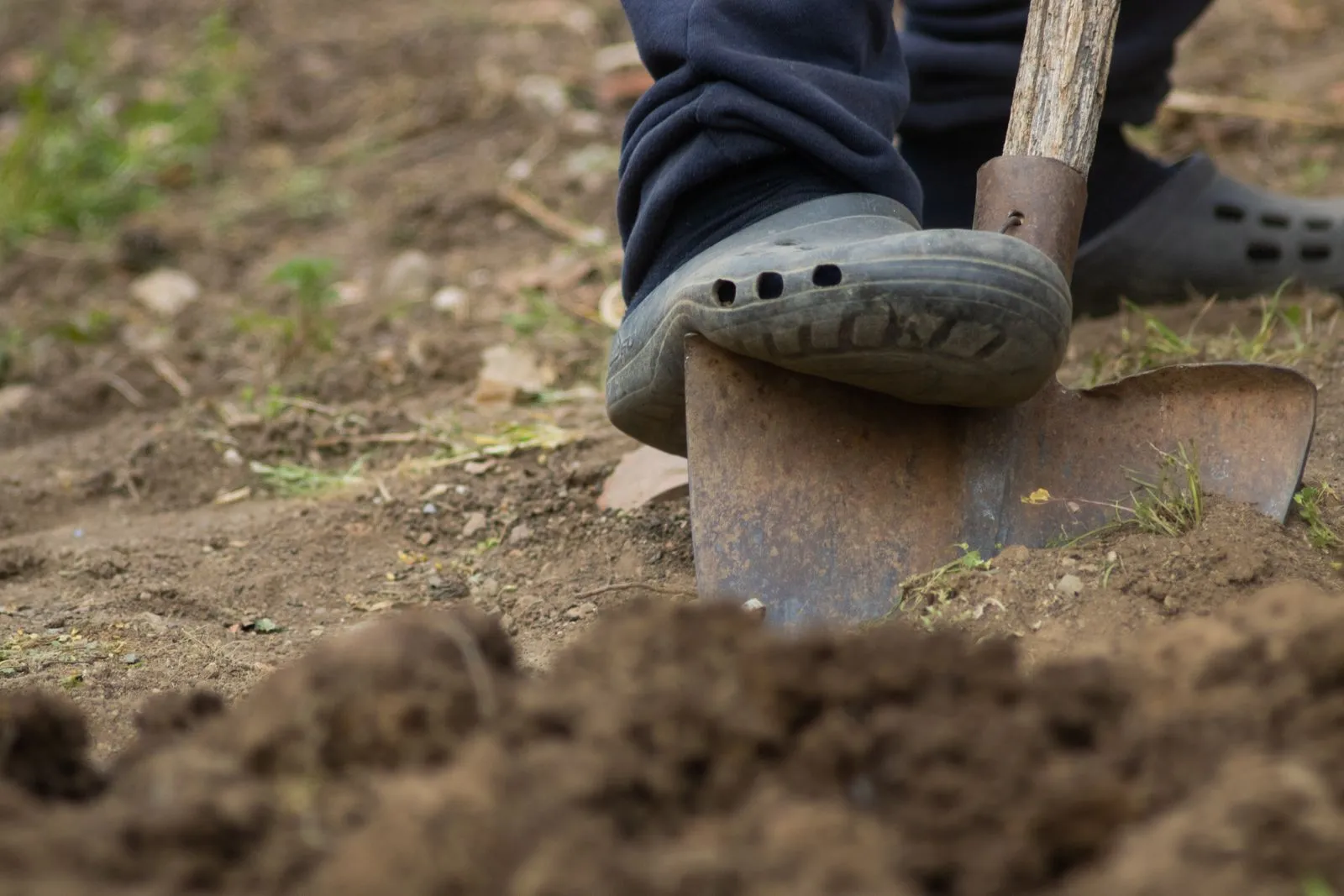
A long shift in work boots can leave feet tired, but pain that keeps returning deserves attention. The same is true of a blister that will not heal, a growing thick spot, or pressure that makes you change how you walk. These signs can point to a boot-fit issue, repeated friction, or a foot problem that needs assessment. Notice when symptoms began, what makes them worse, and whether they affect your usual tasks. That information can help guide the next step.
Pain That Keeps Returning
Pay attention when pain lasts beyond a short recovery period, returns on each shift, or gradually becomes more intense. Burning, tingling, numbness, sharp pain, or soreness concentrated in one area can all interfere with standing and walking. Pain that changes your stride or makes you avoid putting weight on one foot is a reason to seek professional guidance rather than simply pushing through another workday.
Track when the discomfort appears: at the start of a shift, after hours on your feet, or when wearing a particular pair of boots. Note the location and any recent changes to your footwear or duties. This record can help a clinician assess possible sources and decide whether you need foot care, a boot-fit adjustment, or referral for medical evaluation.
Skin Changes and Slow Healing
Blisters, cracks, redness, peeling, and areas of thickened skin can develop where boots rub or press. A small spot may seem manageable, but repeated friction can break the skin or make walking uncomfortable. Seek an assessment if a sore does not improve, keeps reopening, looks increasingly irritated, or makes it difficult to wear protective footwear.
Do not cut corns or calluses yourself, especially with blades or chemical treatments. These methods can injure surrounding skin. Keep the area clean and dry, reduce rubbing where possible, and arrange professional advice. If you have diabetes, reduced circulation, or reduced sensation in your feet, contact a healthcare professional promptly about any wound or new skin change.
Pressure Points and Boot Fit
A pressure point may show up as a tender spot, repeated blister, or callus in the same location. Check whether the boot feels tight across the toes, presses on the heel or ankle, or leaves marks that linger after removal. Also consider whether thick socks, worn insoles, or changes in your work routine have altered how your boots fit.
Do not assume that breaking in a boot will resolve persistent pain or skin damage. A professional can assess where pressure occurs and discuss practical options, such as fit changes, sock choices, or suitable insoles. Bring the boots and socks you wear on the job, and describe how long you wear them and which movements trigger symptoms.
When to Get Help Quickly
Seek urgent medical care for severe pain after an injury, inability to bear weight, a rapidly worsening wound, spreading redness or warmth, pus, fever, or a foot that becomes unusually pale, blue, or cold. These symptoms may need prompt medical evaluation. If you are unsure how urgent a change is, contact a healthcare professional for guidance rather than waiting for a routine appointment.
For less urgent but persistent symptoms, book an assessment before the problem disrupts work or daily activities. Until then, reduce the activity that aggravates the area, avoid footwear that increases pressure, and do not apply treatments that could damage the skin. A foot care clinic can assess work-boot-related concerns and advise when medical care is appropriate.
Recurring pain, damaged skin, and pressure in the same spot are useful signals—not problems to ignore. Make a note of your symptoms, bring your work boots, and seek an assessment if the issue persists or affects walking. Tucson Boot Care can help you discuss work-boot foot concerns and decide on a practical next step.